🥋 Hapkido – Koreanische Kampfkunst der Energie und Harmonie
🥋 Chun Ki Do – Systematische Weiterentwicklung des Hapkido
🥋 Chun Ki Do – Moderne Pädagogik der Kampfkunst
2. Chun Ki Do
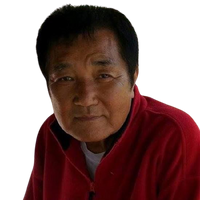
Wie unterscheidet sich Chun Ki Do von anderen Hapkido-Stilen?
Allgemeine Informationen über Südkorea
Geografie
- Lage: Ostasien, auf der koreanischen Halbinsel
- Nachbarländer: Nordkorea (nördlich), Meer (Osten, Westen und Süden)
- Fläche: Ca. 100.210 km²
Bevölkerung
- Einwohnerzahl: Ca. 52 Millionen (Stand 2023)
- Ethnische Gruppen: Überwiegend ethnische Koreaner
- Amtssprache: Koreanisch
Wirtschaft
- Wirtschaftssektoren: Dienstleistungen, Industrie, Landwirtschaft
- Wichtige Exporte: Elektronik (z.B. Smartphones, Computer), Automobile, Schiffe, petrochemische Produkte
- Währung: Südkoreanischer Won (KRW)
Kultur
- Küche: Bekannt für Gerichte wie Kimchi, Bibimbap und Bulgogi
- Feste: Wichtige Feiertage sind das Mondneujahrsfest (Seollal) und das Erntedankfest (Chuseok)
- Unterhaltung: K-Pop, K-Dramen und traditionelle Musik (wie Gugak) sind international beliebt
Politisches System
- Regierungsform: Präsidialrepublik
- Präsident: Staatsoberhaupt und Regierungschef
- Nationalversammlung: Einkammer-System
Sehenswürdigkeiten
- Seoul: Die Hauptstadt mit Sehenswürdigkeiten wie dem Gyeongbokgung-Palast und der N Seoul Tower.
- Jeju Island: Beliebtes Urlaubsziel mit natürlicher Schönheit und Vulkanlandschaften.
- DMZ (Demilitarisierte Zone): Grenze zwischen Nord- und Südkorea, ein wichtiger Ort für historische und politische Besichtigungen.
- Bukhansan-Nationalpark: Ein beliebtes Ziel für Wanderer in der Nähe von Seoul.
Südkorea ist bekannt für seine dynamische Kultur, technologische Innovationen und reiche Geschichte.
General Information about South Korea
Geography
- Location: East Asia, on the Korean Peninsula
- Neighboring Countries: North Korea (to the north), surrounded by seas (east, west, and south)
- Area: Approximately 100,210 km²
Population
- Population Size: Approximately 52 million (as of 2023)
- Ethnic Groups: Predominantly ethnic Koreans
- Official Language: Korean
Economy
- Economic Sectors: Services, industry, agriculture
- Major Exports: Electronics (e.g., smartphones, computers), automobiles, ships, petrochemical products
- Currency: South Korean Won (KRW)
Culture
- Cuisine: Known for dishes like Kimchi, Bibimbap, and Bulgogi
- Holidays: Important celebrations include the Lunar New Year (Seollal) and Chuseok (Harvest Festival)
- Entertainment: K-Pop, K-Dramas, and traditional music (like Gugak) are internationally popular
Political System
- Form of Government: Presidential republic
- President: Head of state and government
- National Assembly: Unicameral system
Attractions
- Seoul: The capital city, featuring landmarks like Gyeongbokgung Palace and N Seoul Tower.
- Jeju Island: A popular vacation destination known for its natural beauty and volcanic landscapes.
- DMZ (Demilitarized Zone): The border between North and South Korea, an important site for historical and political visits.
- Bukhansan National Park: A favorite hiking destination near Seoul.
South Korea is known for its dynamic culture, technological innovations, and rich history.